SSDN Technologies
03 December 2025
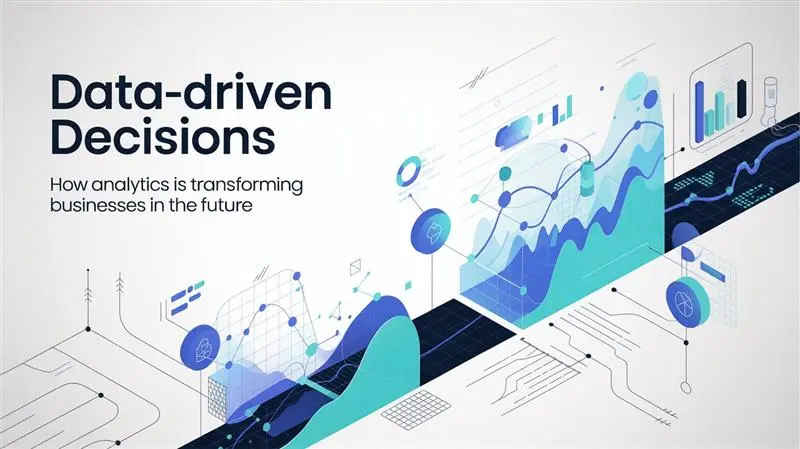
In today’s fast-paced business world, many organisations still rely on intuition or past experiences for decision-making, often resulting in missed opportunities and inefficient outcomes. With the explosive growth of data, businesses are finding it increasingly difficult to analyse vast datasets and extract meaningful insights that inform strategic decisions. The challenge lies not only in managing this data but also in leveraging it effectively to support smarter business outcomes.
Lack of real-time insights:
Many companies still use outdated or slow methods of analysis, preventing them from acting quickly and capitalising on fast-emerging trends.
Data silos across departments:
When data is scattered across multiple tools and systems, gaining a unified business view becomes difficult. This leads to fragmented decisions, slow reporting, and misaligned strategies.
A growing skills gap:
The demand for skilled data professionals is rising rapidly, yet businesses struggle to find competent analysts, engineers, and scientists. This shortage limits the ability to fully adopt analytics solutions, making a Data Analytics Course essential for upskilling teams.
Poor data quality:
Incomplete, inconsistent, or inaccurate data leads to unreliable insights. Businesses often struggle with cleaning and standardising data, which reduces the effectiveness of analytics tools and decision-making models.
Lack of a data-driven culture:
Even when modern tools are available, many businesses fail to embrace data-driven thinking. Without a cultural shift, teams continue to rely on traditional methods, limiting the potential impact of analytics initiatives.
Because of these challenges, organisations are unable to fully utilise data analytics to increase efficiency, drive innovation, and improve customer experience.
To remain competitive, businesses must adopt a data-driven approach supported by advanced analytics technologies. Tools such as Power BI, Tableau, and Google Data Studio enable real-time dashboards and automated reporting. For example, Amazon uses predictive analytics to improve inventory planning by analysing shopping patterns in real-time, ensuring fast delivery and better stock management. Similarly, financial institutions rely on real-time fraud detection systems to analyse transactions instantly and prevent suspicious activities.
Eliminating data silos requires strong ETL frameworks and cloud warehousing solutions like AWS Redshift, Google BigQuery, and Snowflake. These platforms centralise data and allow seamless analysis across departments. Companies like Netflix use such platforms to process massive volumes of user data and deliver personalised recommendations. SQL tools such as MySQL and PostgreSQL enable complex queries across systems, helping businesses generate deeper insights.
The global shortage of data professionals makes upskilling more important than ever. Companies invest in programs such as the Data Science Course, which helps teams learn SQL, Power Query, Power Pivot, DAX, and modern machine learning tools. Automated machine learning platforms also bridge this skills gap by enabling non-technical users to create predictive models with ease.
Data quality issues remain a major obstacle, but validation scripts, Power Query functions, and SQL-based normalisation techniques help ensure accuracy. Companies use fuzzy matching, deduplication, and standardised formatting to maintain clean data before running analytics or building forecasting models.
Building a strong data-driven culture is equally essential. Businesses integrate pivot tables, forecasting tools, and AI models into daily workflows. For example, retail giants like Walmart use Power BI to forecast sales trends and optimise pricing strategies in real-time. Sentiment analysis tools enable brands to refine marketing campaigns based on customer feedback and market trends.
By adopting these solutions, companies can transform raw data into actionable insights that power innovation, improve efficiency, and strengthen competitive advantage.
As the Best IT Training Company, SSDN Technologies understands how critical it is for businesses to turn data into decisions. Our programs, including the Data Analytics Course, are designed to equip professionals with the exact skills required to thrive in today's data-driven marketplace.
What We Offer:
Comprehensive Curriculum:
Our training covers Data Analytics, Data Visualisation, Big Data Technologies, and tools that empower professionals to solve modern business problems effectively.
Hands-On Learning:
Real-world case studies and industry projects help learners apply concepts in practical business scenarios.
Expert Trainers:
Our instructors are seasoned industry professionals with years of experience in analytics and data science.
Flexible Learning Options:
With online and self-paced learning available, working professionals can upskill without pausing their careers.
By enrolling in our courses, learners can build the confidence and expertise needed to make data-backed decisions, enhance operational performance, and support organisational growth.
If you're looking to transform your business or career, now is the perfect time to invest in knowledge. A structured learning path through our Data Science Course or analytics programs empowers you to unlock new opportunities and stay ahead of the competition.
Don’t wait for the future—build it. Enrol in our courses today and gain the skills needed to make smarter, insight-driven decisions that accelerate success.
In conclusion, adopting a data-driven mindset is essential for any modern business. By addressing challenges such as real-time insights, data silos, and workforce skill gaps, organisations can harness the true power of analytics. At SSDN Technologies, we provide the training and resources necessary to help professionals excel in this rapidly evolving field. Begin your transformation today and drive your business toward a smarter, data-powered future.