SSDN Technologies
03 December 2025
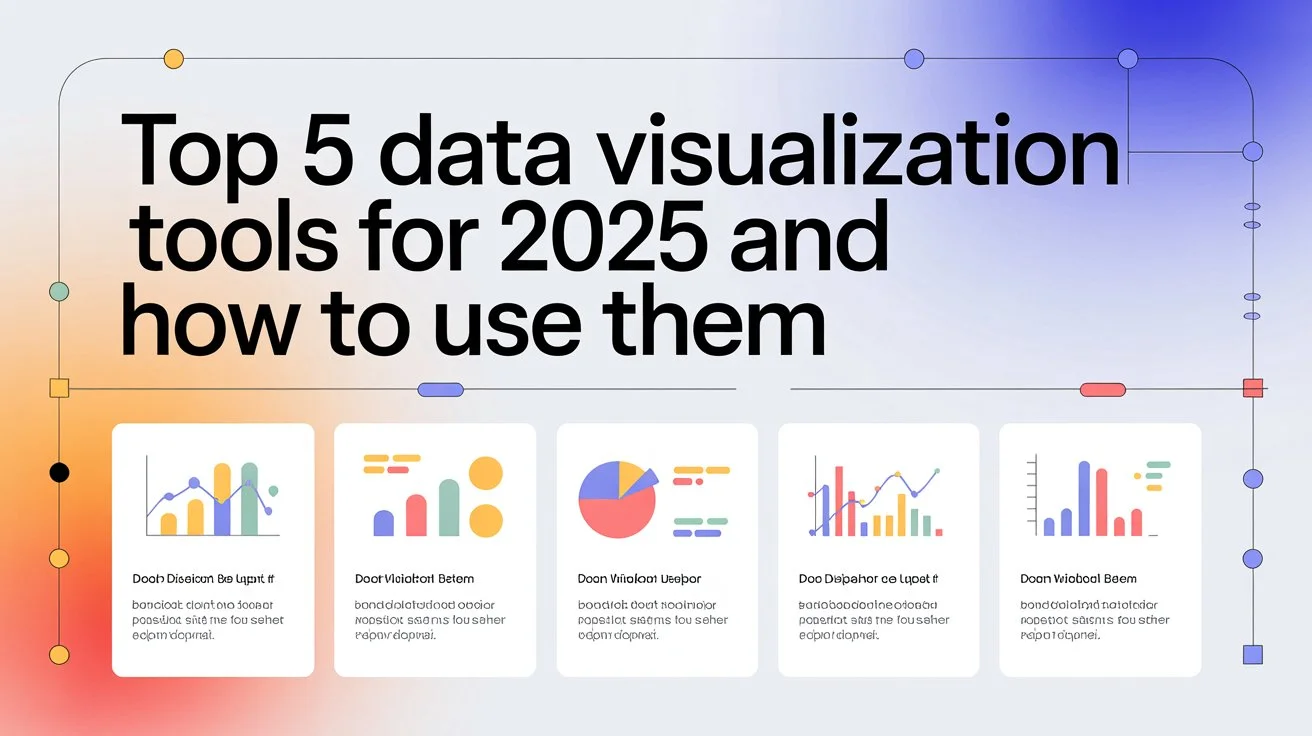
In today’s rapidly evolving digital landscape, data has become the backbone of decision-making for businesses and professionals across industries. With organisations generating massive volumes of information every second, the need for powerful data visualisation tools has never been greater. The ability to interpret, analyse, and present insights clearly is essential—not just for data teams but for every department. Whether you're taking a Data Science Course or working directly with analytics tools, choosing the right platform can significantly improve productivity and business outcomes.
As we move further into 2026, modern data visualisation tools are becoming more advanced, offering AI-powered analytics, real-time processing, and seamless integrations. In this blog, we explore the top five tools dominating the market, the common visualisation challenges professionals face, how these tools overcome those challenges, and how we help organisations implement them effectively.
One of the most pressing challenges in data visualisation is managing massive datasets. As data continues to grow, traditional tools struggle with slow rendering and limited processing power. For example, a stock market analyst working with real-time market data simply cannot rely on slow-performing dashboards. Delayed insights can lead to significant financial losses, highlighting the need for modern, high-performance tools.
Another challenge lies in data integration. Many organisations rely on multiple platforms—such as cloud systems, APIs, CRMs, and analytics tools—making it difficult to consolidate data into a single dashboard. A marketing department might track performance using Google Analytics, Salesforce, and social media analytics, but merging all these data points into a unified view is often a complex task.
Customisation also becomes a challenge, particularly for non-technical users. Some tools require advanced coding knowledge to build interactive dashboards, limiting accessibility for managers and teams who need quick insights. A sales manager, for instance, may want to create a dynamic performance report but finds technical tools too complex to navigate.
Real-time insights represent another significant hurdle. Many legacy platforms still rely on static datasets, making them unsuitable for operations that require live monitoring. IT security teams, for example, need instant alerts on network anomalies—not delayed, historical reports that provide limited value in real-time threat detection.
Finally, data security and compliance remain top priorities. Industries like healthcare and finance require strict adherence to regulations such as GDPR and HIPAA. Without robust security features, visualising sensitive information becomes risky, especially when tools lack proper encryption or compliance certifications.
Tableau continues to stand out in 2026 with its AI-powered analytics and predictive modelling capabilities. Its Hyper Engine supports large datasets with high-speed processing, ensuring fast and accurate visualisations. Seamless integration with cloud and on-premise data sources makes it ideal for businesses seeking unified insights. For example, e-commerce companies leverage Tableau to analyse customer behaviour, enabling enhanced personalisation strategies.
Power BI, with its deep integration into the Microsoft ecosystem, remains a favourite for organisations using Excel, Azure, and SQL Server. Its real-time streaming analytics and intuitive drag-and-drop interface make it user-friendly for professionals at all skill levels. Microsoft’s strong compliance framework further ensures secure data handling. Financial teams often use Power BI to automate live financial reporting, drastically reducing manual work.
Looker Studio (formerly Data Studio) excels in cloud-powered visualisation. Its native integration with Google Cloud, BigQuery, and Google Analytics makes it a top choice for marketing and analytics teams. It offers easy-to-build dashboards without coding, allowing global teams to collaborate in real-time. Marketing agencies rely on Looker Studio to monitor advertising performance across platforms like Google Ads and YouTube.
Qlik Sense is recognised for its associative data exploration, allowing users to explore relationships between datasets without predefined queries. Its in-memory processing handles large datasets efficiently, and its enterprise-grade security makes it suitable for sectors like healthcare. Hospitals use Qlik Sense to analyse patient records and optimise treatment workflows.
D3.js, an open-source JavaScript library, remains the preferred tool for developers who need fully customised, interactive visualisations. Its flexibility allows integration with web apps and real-time data feeds. Cybersecurity teams often use D3.js to build live threat-monitoring dashboards, enabling proactive responses to cyberattacks.
As the Best IT Training Company, we provide comprehensive support to help businesses maximise their data capabilities. Our services include:
Whether you’re enhancing your skills through a Data Science Course or managing organisational data, we ensure you get the best tools and expertise to succeed.
In the data-driven era of 2026, effective visualisation is no longer optional—it’s essential. If your organisation struggles with data interpretation, integration, or reporting, now is the perfect time to upgrade your tools and processes.
Contact us today for a free consultation and begin your journey toward smarter, faster, and more impactful data-driven decisions.
Data visualisation plays a vital role in helping businesses make sense of their data. However, challenges like large datasets, integration issues, lack of real-time insights, and security concerns often hinder effectiveness. The modern tools of 2025—such as Tableau, Power BI, Looker Studio, Qlik Sense, and D3.js—address these challenges through AI, automation, real-time analytics, and enhanced security.
By adopting the right tools and working with experienced professionals, organisations can boost productivity, improve decision-making, and maintain a competitive edge. Our expert team ensures seamless implementation and ongoing support, empowering you to unlock the full potential of your data.