SSDN Technologies
15 January 2026
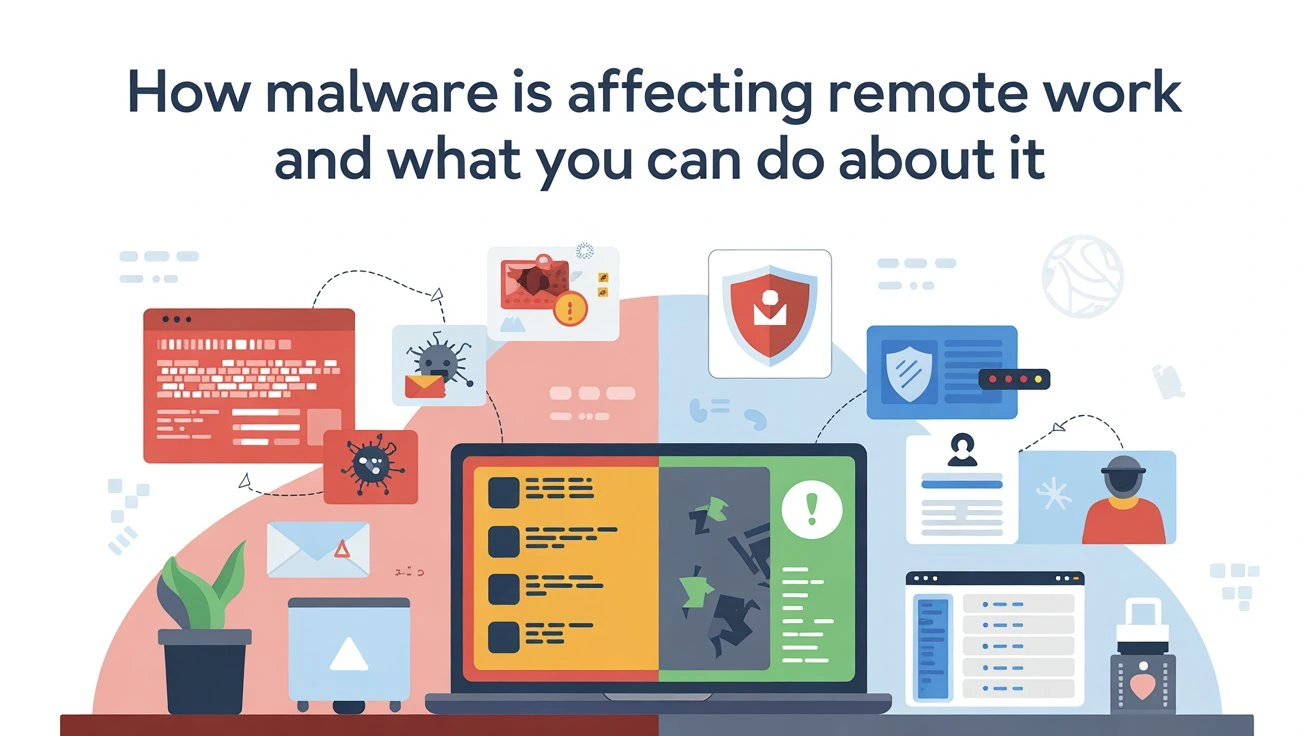
In today’s globally connected world, remote work has evolved from a temporary solution into a permanent work model for many organisations. It offers greater flexibility, better work-life balance, and improved productivity. However, this shift has also introduced serious cybersecurity challenges. One of the biggest concerns is the growing risk of malware attacks, which can disrupt operations, reduce efficiency, and compromise sensitive business data. This blog explores how malware affects remote work environments and outlines practical ways for individuals and organisations to stay protected without sacrificing performance.
Remote work, once considered an alternative work arrangement, has now become mainstream. A significant portion of the global workforce operates in remote or hybrid environments, driven by technological advancements, improved internet connectivity, and changes in workplace culture following the pandemic. While these changes have increased operational flexibility, they have also expanded the digital attack surface for cybercriminals.
Malware—short for malicious software—includes programs designed to disrupt systems, steal data, or gain unauthorised access. Remote employees often rely on personal devices and home networks, which lack the robust security controls found in corporate offices. As a result, remote work environments are more vulnerable to malware infections and cyberattacks.
The shift to remote work has introduced several cybersecurity risks that organisations must address proactively.
Unsecured Home Networks: Employees often connect to company systems using personal Wi-Fi networks that may not have strong encryption or firewall protection, making them easy targets for attackers.
Use of Personal Devices: Many remote workers use personal laptops and smartphones for professional tasks. These devices may lack updated security software, increasing exposure to malware threats.
Limited Security Awareness: Without proper training, employees may fail to recognise phishing emails, suspicious links, or malicious attachments, leading to accidental infections.
Delayed Software Updates: Ensuring timely system and software updates becomes challenging in remote setups. Outdated applications often contain vulnerabilities that malware can exploit.
Data Privacy Risks: Malware attacks frequently target sensitive information such as customer data, financial records, and intellectual property, causing reputational damage and financial loss.
Organisations can significantly reduce malware risks by implementing the right combination of technology and best practices.
Virtual Private Networks (VPNs): VPNs encrypt internet traffic, allowing remote employees to securely access company resources and protect data from interception.
Multi-Factor Authentication (MFA): MFA adds a security layer by requiring multiple forms of verification, preventing unauthorised access even if passwords are compromised.
Endpoint Security Software: Installing advanced endpoint protection on all devices helps detect, block, and remove malware through real-time monitoring and threat detection.
Regular Updates and Patch Management: Keeping operating systems and applications updated closes security gaps that malware often exploits.
Employee Cybersecurity Training: Ongoing awareness programs help employees recognise threats such as phishing attacks and social engineering tactics.
Reliable Data Backup Solutions: Regular backups ensure that critical data can be quickly restored in the event of a malware attack, minimising downtime.
As the Best IT Training Company, we recognise that cybersecurity awareness is just as important as technical defences, especially in a remote work culture. Our training programs are designed to empower both individuals and organisations with the skills needed to stay secure in an evolving digital landscape.
We offer specialised cybersecurity training that teaches employees how to identify online threats, use security tools effectively, and follow best practices for safe remote working. Our programs also cover secure cloud usage, collaboration tools, and home office setup to maintain productivity without compromising data security.
Cyber threats are constantly evolving, and staying updated is critical. At SSDN Technologies, our training programs are regularly refreshed to reflect the latest cybersecurity trends, tools, and real-world threat scenarios. By investing in continuous learning, businesses can build a resilient workforce capable of handling modern security challenges.
Strengthening employee knowledge not only reduces the risk of malware attacks but also enhances overall operational efficiency and business success.
Don’t wait for a malware incident to disrupt your operations. Take proactive steps today to protect your remote workforce and business data. With the right tools, training, and security practices, organisations can confidently embrace remote work while maintaining strong cybersecurity standards.
A secure digital environment is not a one-time effort—it’s a continuous process. With proper guidance and awareness, your business can thrive in the digital era without compromising safety.
The growth of remote work has introduced new cybersecurity challenges, with malware posing a serious threat to both organisations and employees. However, by adopting preventive measures such as VPNs, endpoint security, regular updates, and employee training, these risks can be effectively managed. Through focused cybersecurity education and remote work best practices, organisations can create a safe, efficient, and future-ready work environment.